- Also called
- Engagement marketing, live marketing
- Common formats
- Brand activations, pop-ups, sampling, mobile tours, trade show booths
- Who plans it
- The brand, often with an experiential agency
- Who works it
- Brand ambassadors, promo models, product demonstrators, event leads
- Paperwork to expect
- Venue approval, city permits for public space, extra rules for alcohol and food
- Federal no-go
- Free samples of tobacco products (21 CFR 1140.16)
Key characteristics
Hands-on, not watch-only People taste, test, play or take part instead of just looking at an ad.
A real place for a set time It happens at a venue, a store, a street corner or a show floor, then packs up.
Staff are the message The people working it shape what guests remember about the brand.
Measured by actions Success is counted in people engaged, leads, sales or shares, chosen before the event.
Experiential marketing vs related terms
What is experiential marketing?
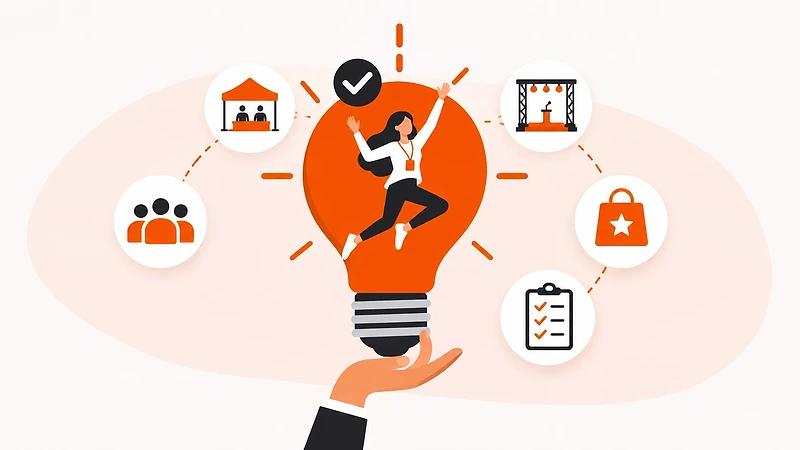
Here's the simple version. Experiential marketing lets people try a brand in person instead of just seeing an ad. They taste it, test it, play with it or step inside it.
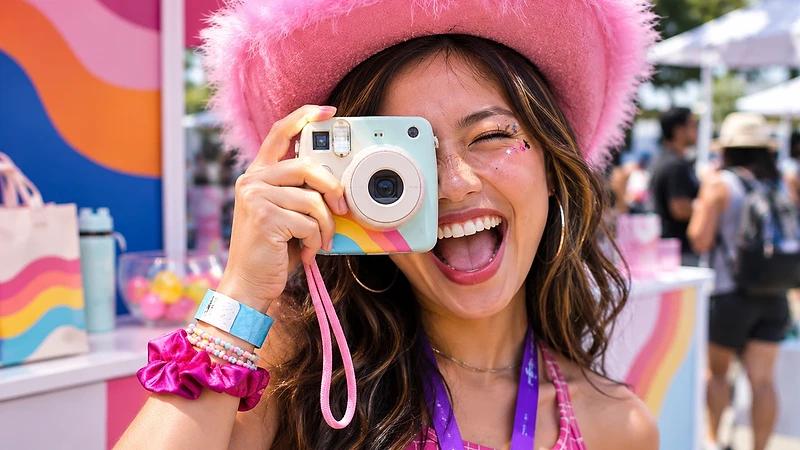
Picture a summer festival. A coffee brand sets up a shaded tent, hands out cold brew and lets you pick a free flavor shot. Nobody is reading a billboard. You're holding the product, and a friendly person is telling you about it. That's experiential marketing.
It's an umbrella word. Brand activations, pop-up shops, sampling, mobile tours and trade show booths all sit under it. This page covers the big picture: which format fits which goal, who plans what, and what the rules and staffing look like. For one format in depth, read what a brand activation is or how a street team works.
Which format fits which goal?
Each format does a different job. The smart move is to start with what the brand wants, then pick the format. Here's how the five common ones compare.
| Best for | Footprint | Typical staff roles | |
|---|---|---|---|
| Brand activation | Getting people to interact with the brand in a memorable way, often inside a bigger event | A branded space at a festival, game, concert or public spot, usually for a day or a weekend | Brand ambassadors, an event lead, setup and teardown crew |
| Pop-up shop | Selling or showing off products in a real room for a short run | An empty storefront, a corner of another store or a mall space, from a day to a few months | Sales or brand ambassadors, a door and line host, a cashier, a shift lead |
| Product sampling | Getting the product into people's hands or mouths so they try it before buying | A small table in a store, a cart at an event, a street team or a mailed box | Brand ambassadors or product demonstrators; licensed servers where alcohol is poured |
| Mobile tour | Reaching many cities or campuses with the same experience | A branded truck, trailer or bus that moves from stop to stop | A tour manager, a driver and ambassadors who travel with it or are hired locally at each stop |
| Trade show booth | Meeting business buyers and collecting leads | A booth on a show floor for the length of the show | Product specialists, lead scanners, booth hosts and promo models |
Two of these come with their own rule books. Pop-ups deal with leases and city permits, and sampling deals with alcohol and health rules. We cover those on the pop-up event and product sampling pages.
Who does what: brand, agency, staffing partner
Most campaigns pass through three sets of hands. Knowing who holds which job saves a lot of last-minute scrambling.
The brand
Sets the goal, the budget and the message. It supplies the product and signs off on anything legal, like alcohol or health claims.The experiential agency
Designs the experience, builds the space, books the venue and permits, and runs the day. Some brands skip this step and plan in-house.The staffing partner
Hires, trains, schedules and pays the people on site. On many campaigns, the workers are the staffing partner's W-2 employees, not the brand's.
Why should you care? If you work these events, your paycheck, schedule and any training usually come from the staffing partner. If you're booking, write down who owns permits, product, setup and staff. Gaps between the three are where most day-of problems start.
What the people cost
The build gets the attention, but staff are often the biggest cost you can actually plan. Hours, headcount and the number of days add up fast. Plug in your own numbers below to see staffing cost, cost per interaction and leads.
Calculate activation costs, staffing efficiency, cost per interaction and lead generation performance.
Permits and regulated products
Every event needs the venue's okay. Public space, like a sidewalk or a park, usually needs a city permit too. The rules get much stricter once the product is regulated.
- Alcohol
Your state's alcohol agency decides who can pour, how big a sample can be and where it can happen. Pourers may need an alcohol server permit. See the state examples on our product sampling page.
- Food or drinks
Your county or city health department sets the rules, and some require a permit for samples. Staff may need a food handler card.
- Tobacco or vapes
Federal law bans free samples of tobacco products. The only exception is smokeless tobacco inside a qualified adult-only facility (21 CFR 1140.16).
- Anything on public property
Sidewalks, plazas and parks are city-run. Ask the city about permits before you plan a street team or a stunt.
This is a plain-English summary, not legal advice. Rules change, so confirm with the agency in charge before you book.
How do you measure results?
Pick the number that matters before the event starts. If you wait until after, you'll end up counting whatever looks good. Here are the measures most campaigns choose from:
- People engaged: conversations, demos or samples handed out.
- Leads captured: names and emails, often with a lead retrieval app or scanner.
- Sales: purchases on site, or coupon and promo code use afterward.
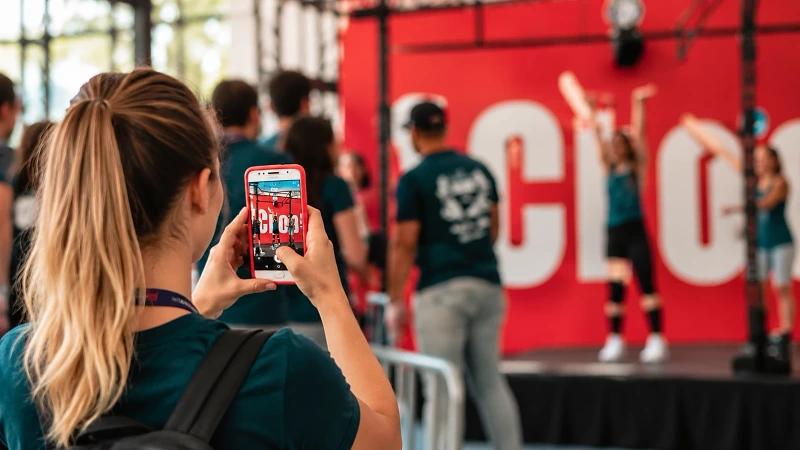
- Content: photos, posts and mentions people share.
There's no single industry benchmark we'd trust for these, so we don't quote one. Compare each event with your own past events instead. Our brand activation guide goes deeper on measurement.
Why the staff are the medium
In a TV ad, the brand controls every word. In experiential marketing, the guest's whole impression comes from the person in front of them. That person is the message. A great setup with a bored, untrained team still fails.
Frequently asked questions
Best practices
Start with the goal, then pick the format Sales, leads and awareness each point to a different format and staff plan.
Brief staff like it's a script Give every person the key message, the product facts and what to do when a guest asks something hard.
Keep a ready bench Line up standby staff so one call-out doesn't empty a station.
Common mistakes
Picking the format before the goal A flashy build that doesn't serve the goal is money spent on photos, not results.
Budgeting for the build, not the people Staff hours often decide whether the space is busy or empty, so plan them first.
Leaving permits to the last week City, health and alcohol approvals can take weeks. Late paperwork can cancel a whole day.
Counting giveaways as results Handing out 5,000 items says little unless you know who took them and what they did next.