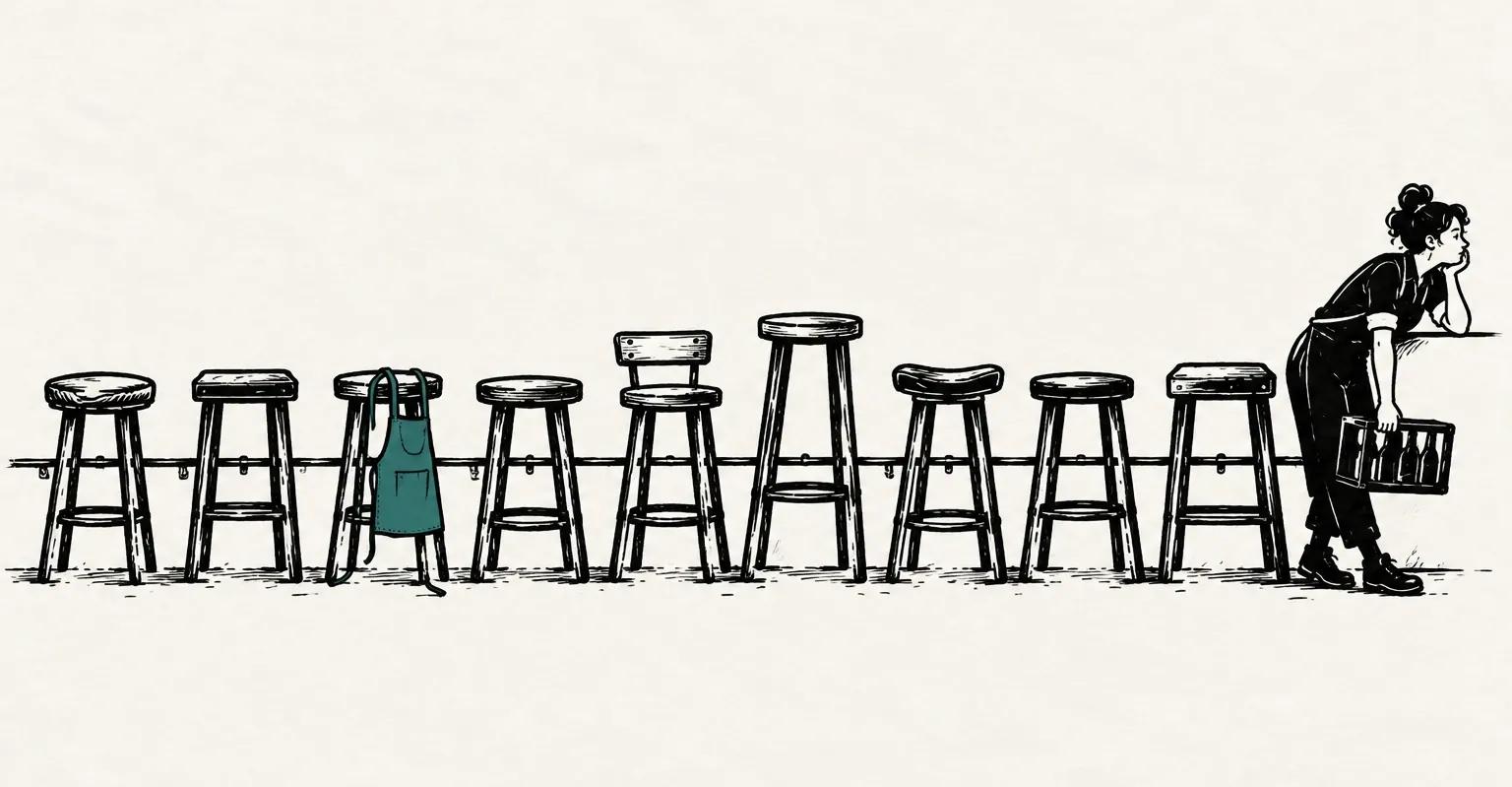
Hiring faster won't end the event staffing shortage. Keeping people will
Leisure and hospitality workers quit at a 3.3% rate in August, well above the 1.9% across all industries. The causes event hirers can fix are pay, hours and a calendar with fewer quiet months.
Event teams keep hiring, and their people keep leaving. At a roundtable Skift Meetings wrote up on October 28, one participant put average tenure at about two years, and research cited there found that 55% of planners hire contractors or freelancers to manage their workload.
For anyone staffing the next busy season, my read is that the event staffing shortage is less a shortage of people than a shortage of reasons to stay. Skift frames the question as a talent gap, a retention issue, or both. The evidence it gathered points mostly to retention, and to causes hirers control: starting pay, hours and an off-season that keeps shrinking.
- Hiring pressure eased, churn did not: leisure and hospitality job openings fell to 829,000 in August 2026 from 1,050,000 a year earlier, while the quits rate was 3.3%, down only slightly from 3.5% (BLS, preliminary).
- Causes the report names: an entry-level catch-22, low starting pay with a long climb, and a shrinking off-season that keeps full-time teams at peak load all year.
- Before peak season: offer compressed schedules such as four 10-hour days, protect recovery time after each peak, and rebook the same contract and partner-agency staff each season.
- A contract bench moves the pay question to the day rate. Hirers who underpay contractors meet the same shortage, one booking at a time.
- Treat the 55% and two-year figures with care: the first comes from research no one named, the second from one participant, and neither has been independently confirmed.
Why the event staffing shortage is a retention problem
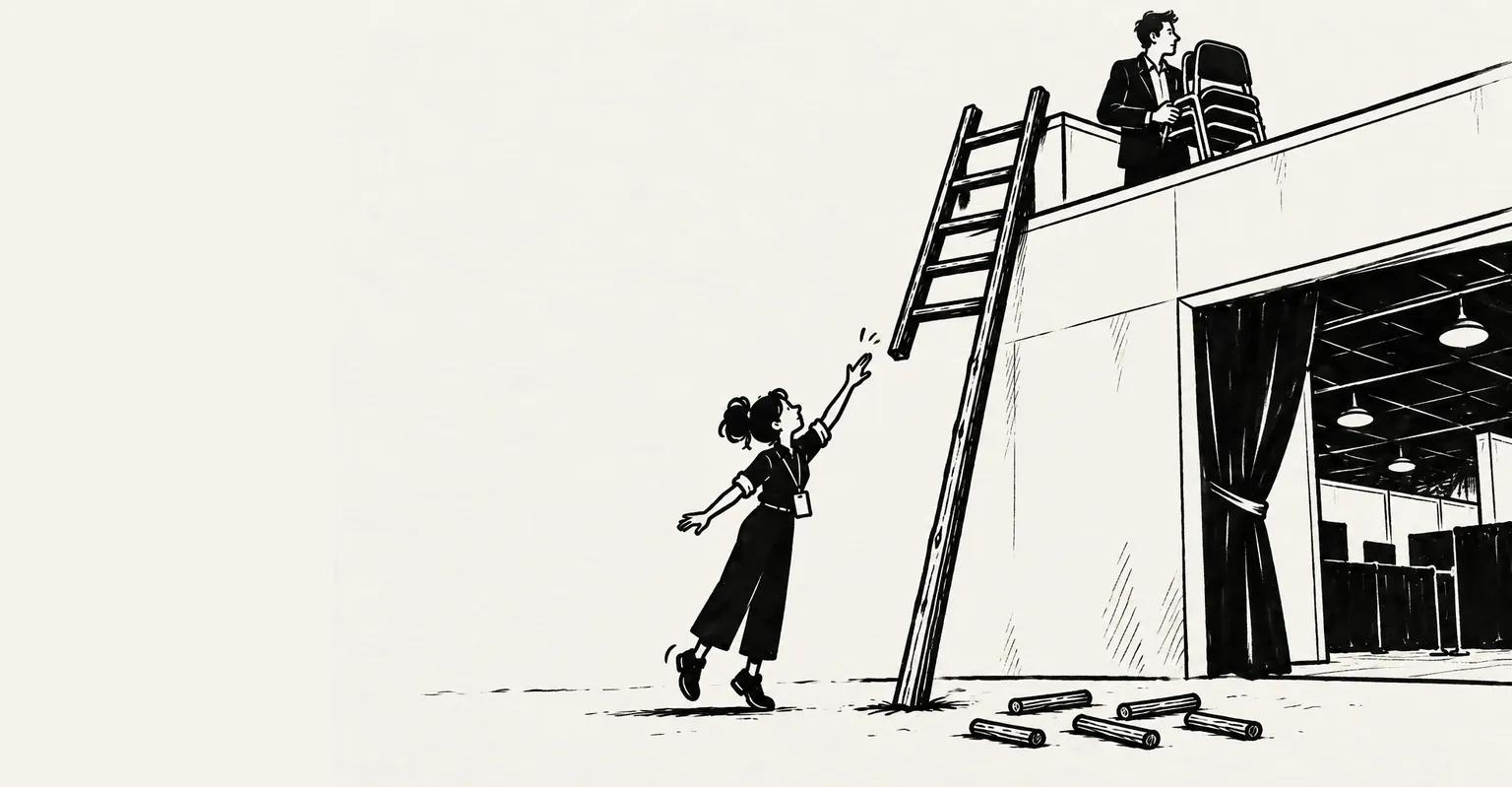
Start with the entry-level catch-22 the report describes. Employers want experience new graduates have no way to earn, university programs and graduates often steer away from meetings, and many hospitality graduates head to real estate and other fields. That is not a shortage of capable people. It is a door the industry keeps closed.
Then the pay. One participant said low starting pay and a long climb make the early years hard to justify. The report goes further: event work is skilled, and pay and career paths need to reflect that if new hires are going to stay.
Put those together and the gap starts to look like a price. People do the math on a role before they take it, and many are choosing other fields.
Wider labor data cuts both ways. NPR reported in June that the federal immigration crackdown has shrunk the workforce compared with what it would otherwise be, yet restaurants still added 48,000 jobs in May. The same report said average wages were up 3.4% from a year earlier in May, while prices rose faster. Fewer available workers is part of the story. Pay that trails prices is the part hirers control.
Event staff retention: the two-year bill
The report says keeping staff is as hard as hiring them. Two years is barely enough time to train someone, trust them with a client and promote them once. Every exit restarts the cycle.
Federal data points the same way. Job openings in leisure and hospitality fell to 829,000 in August 2026 from 1,050,000 a year earlier, according to the Bureau of Labor Statistics. Hiring pressure has eased. Churn has not: the sector's quits rate was 3.3% in August, down only slightly from 3.5% a year earlier and well above the 1.9% rate across all industries. Leisure and hospitality is broader than events, but the pattern fits. The harder part of the event staffing shortage is keeping people.
The report's Skift Take makes the point directly: event organizations cannot solve retention by hiring faster. A faster pipeline into the same conditions produces faster exits.
The shrinking off-season is the real squeeze
The hours problem is where the report gets most specific. Some hotels have adopted four-day, 10-hour schedules. Employers are using recovery time, sabbaticals and extended time off, which the report says improve productivity and loyalty. One incentive travel company gives a longtime team member the off-season to walk the Camino.
The quiet months, though, are shrinking.
The report ties this to compressed fees and packed calendars that stretch full-time staff, and says the business model needs to change. The off-season used to be where people recovered. When it disappears, a full-time team runs at peak load all year, and the two-year exit follows.
Contract labor is the operating model now
The direction is still clear. The report says freelancers often become long-term partners and suit seasonal businesses, and one participant noted that with contractors, the team no longer has to train. A July 16 Skift Meetings newsletter called the 2026 job market “brutal” and set out to explain why more companies are shifting to part-time contract models.
My view: contract labor is no longer a stopgap for the event industry labor shortage. When calendars fill and quiet months shrink, a headcount sized for the peak sits idle in the trough, and one sized for the trough burns out at the peak. A bench of contract and agency staff, rebooked season after season, is how the work fits the calendar.
A contract bench does not fix low pay. It moves the pay question to the day rate, and to the gap between what you pay an agency and what the worker earns (here is how agency markups and bill rates work). Hirers who underpay contractors will meet the same shortage, one booking at a time.
How to retain event staff before peak season
The report's fixes are practical. Here is how they map to the causes it names, for the ops lead staffing the next busy stretch.
- Entry-level catch-22
Hire cohorts months ahead of need and train them in-house, as the report says tech and consulting firms do. Tie internships to seasonal volume so you can test fit before a full-time offer.
- Low starting pay, long climb
Price roles against the market, not last year's budget, and show new hires the pay path. Skilled work needs pay and career paths to match if people are going to stay.
- Shrinking off-season
Offer compressed schedules, such as four 10-hour days, and protect recovery time after each peak.
- Training load and seasonality
Build a contract and partner-agency bench on purpose. Rebook the same people each season so the training you do pays off.
- Narrow recruiting pools
Recruit from two-year colleges and retail, where staff already manage customer volume.
The number to watch is the 55%. Until someone publishes the research behind it, treat it as a roundtable claim. If a named study confirms it, the debate over whether contract labor counts as real staffing is over.
Final Words
The event staffing shortage is largely a retention bill the industry writes itself, through pay, hours and a calendar with no quiet months left. Contract and agency labor is how events now get staffed. Hirers who pay for the skill and rebook their best people will feel the shortage least.
Opinion pieces reflect the author’s views, not the newsroom’s. Submit a response or a column.